
Mobile tools can change how you work. If you want to manage time apps well, this article will give clear steps and practical tips. Read on to learn simple ways to pick apps, set them up, and use them every day to get more done.
Benefits of manage time apps
Using manage time apps can help you stay focused. They break your day into clear blocks. You will see what needs attention and what can wait.
These apps also make habits easier to build. Small reminders and simple tracking help you keep a steady routine. Over time, that routine becomes a reliable habit.
Many people find that apps reduce stress. When your tasks are organized, your mind frees up for real work. The app holds the schedule so you do not have to remember every detail.
Finally, manage time apps offer data you can learn from. You can spot patterns, see where time goes, and plan better. That insight helps you make smart changes to your day.
How to choose the right app
Picking the right app starts with your needs. Think about your goals, how you work, and what you want to track. That will narrow your options fast.
Try to match the app to your style. Some people like simple timers. Others want full calendars and project boards. Choose an app that fits and that you will keep using.
Cost matters too. Free apps can be enough for many users. Paid options often add syncing, automation, and more reports. Balance features with your budget.
Finally, check platform support. Make sure the app works on your phone and any other devices you use. Syncing across devices is key for consistent time management.
Key features to look for
Before you compare apps, know the features that matter most. Here are clear features to prioritize depending on your needs.
Look for tools that let you set timers, plan tasks, and track progress. These are core functions that support daily focus. Also check for reminders and simple reporting so you can review your work.
Good apps should be easy to use. A steep learning curve will stop you from using them. Pick an app with a clean interface and clear labels.
Consider integrations if you use calendars or project tools. Syncing with other tools saves time and keeps everything in one place. Also check for offline mode if you work without reliable internet.
Set up a clear workflow
Setting up your app is more than adding tasks. You need a repeatable workflow that fits your day. This ensures the app really helps, not just adds clutter.
Start with a simple system: capture, plan, act, review. Capture ideas quickly. Plan your day with 3 to 5 priority items. Act on the highest priority. Review at the end of the day.
Use categories or tags to group similar work. That helps when you need to batch tasks. Batching lowers context switching and speeds work up.
Keep the system flexible. Some days you will need deep focus. Other days you will handle short tasks. Your workflow should allow both without extra setup work.
Daily routines
Daily routines help you get into the right rhythm. A good routine uses your manage time apps to set clear start and stop points. This reduces decision fatigue.
Begin each day by reviewing your top tasks. Use the app to reorder them by priority. This small step sets a clear direction for the day.
Work in focused blocks and take short breaks. Many apps support block timers and show a countdown. This keeps energy steady and reduces burnout.
End the day with a short review. Mark what you finished and move what you did not. This closes the loop and prepares you for the next day.
Weekly planning
Weekly planning gives a bigger view than daily lists. Use a short weekly session to set objectives and allocate time. This helps align daily actions with larger goals.
At the start of each week, add major tasks to the app and block time for them on your calendar. This saves time during the week and prevents surprises.
Review past data in your app to see patterns. Which tasks took longer than expected? Which times of day were most productive? Use that insight to plan better blocks.
Adjust your plan as needed. A weekly review is not set in stone. It is a flexible guide that helps you keep focus and progress.
Best practices for daily use
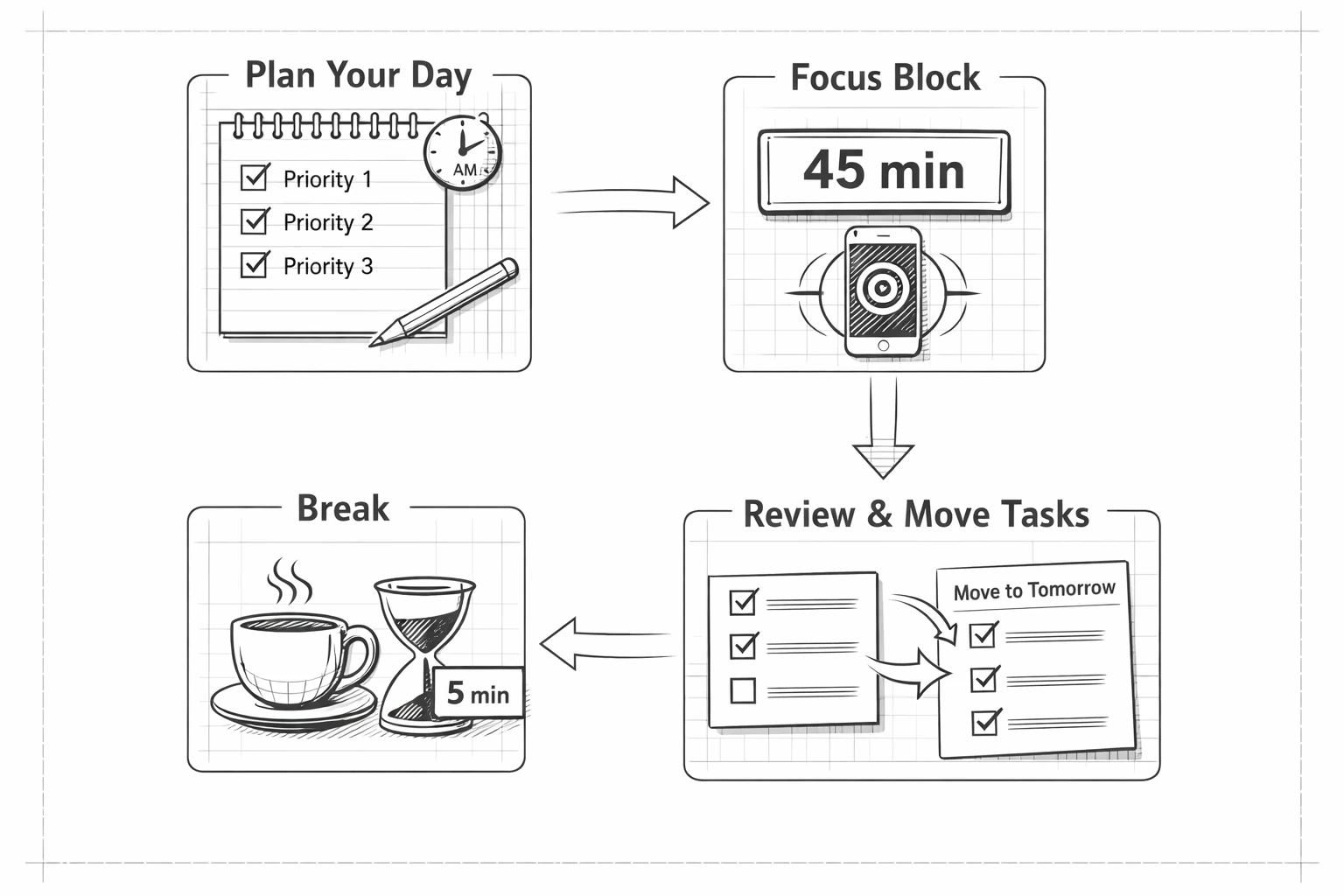
To gain value from manage time apps, use them consistently. Small daily habits make the app truly helpful. This section gives simple steps you can follow every day.
First, keep your lists short. Long lists can overwhelm you and make it hard to choose. Pick a few clear priorities each day and stick to them.
Second, set realistic time estimates. If you under estimate, your schedule will break. If you over estimate, you will waste time. Aim for honest guesses and adjust as you learn.
Third, use reminders and notifications wisely. Too many alerts cause noise. Pick a few key reminders for start times and deadlines so you stay on track without distraction.
Here is a short list of daily habits that work well with time tools. Read it and then try one habit per week to build lasting change.
- Plan priorities for the day each morning.
- Work in 25 to 90 minute focus blocks, depending on the task.
- Take short breaks between blocks to rest your mind.
- Review and move unfinished tasks to the next day.
Common mistakes and how to avoid them
Even good apps fail if you use them poorly. Many people make the same errors when they try to manage time apps. Here are clear ways to avoid those traps.
One common mistake is overplanning. Filling every minute creates pressure and often fails. Leave buffer time and limit the number of top priorities.
Another error is ignoring data. If the app shows a pattern, act on it. If you always overrun certain tasks, change your estimate or break the task into smaller pieces.
Also avoid app overload. Using many tools at once creates friction. Pick one main app and a secondary tool if needed. Keep your workflow simple and consistent.
Below is a focused list of traps and fixes. Read it and compare with your current routine to see where small changes can make a big difference.
- Trap: Too many apps. Fix: Consolidate to one primary app.
- Trap: Vague tasks. Fix: Break work into specific action steps.
- Trap: Ignoring review. Fix: Schedule a short weekly review session.
- Trap: Constant notifications. Fix: Limit notifications to essentials.
Practical tips for long term success
Long term success with manage time apps comes from small, steady actions. These tips will help you turn initial gains into lasting habits. They are simple and easy to follow.
Set realistic goals you can measure. Use the app to track those goals and celebrate small wins. Small wins keep motivation high and make the habit stick.
Share your plan with a colleague or friend if that helps you stay accountable. Accountability can be a strong motivator and it keeps you honest about priorities.
Periodically prune your setup. Remove features or lists you do not use. A tidy app is faster to use and less likely to become a burden.
The big picture
Manage time apps can change how you work if you use them well. The right app and a simple routine will help you focus, reduce stress, and get steady results. Small steps add up quickly.
Start with one clear habit and build from there. Use the app to plan, act, and review. Keep your system simple and adjust it as you learn.
Use what works and drop the rest. The goal is to make time management easier, not harder. With the right setup, your phone becomes a helpful tool, not a distraction.
Try one change this week. Make it small. See how it feels. Then add another change next week. Over time, these small moves will lead to better focus and more consistent progress.
